Table of Contents
A recliner is more than just another piece of furniture. It’s often the most comfortable seat in the house; the place where you unwind after a long day, enjoy movie nights, read your favorite book, or simply relax with family.
Like any furniture you use every day, a recliner needs regular care to stay comfortable, safe, and functional. Dust, dirt, pet hair, spills, and normal wear can gradually affect both its appearance and mechanical parts. Without proper maintenance, even a high-quality recliner may begin to squeak, become difficult to recline, or lose its comfort over time.
The good news is that maintaining a recliner doesn’t require professional skills or expensive products. With a few simple habits and occasional inspections, you can keep your chair looking and working like new for many years.
This guide explains everything you need to know.
Why Recliner Maintenance Matters
Many homeowners only think about maintaining their recliner after something goes wrong. By then, repairs can be more expensive and time-consuming than regular upkeep. Routine maintenance offers several benefits:
- Keeps your recliner looking new
- Improves sitting comfort
- Prevents costly repairs
- Reduces squeaking and stiffness
- Extends the furniture’s lifespan
- Maintains hygiene by removing dust and allergens
- Helps preserve resale value
Know Your Recliner Before You Start
Not all recliners are built the same. Understanding what type you own helps you choose the right maintenance methods.
- Manual Recliners: These rely on a handle or lever to recline. They have fewer moving parts and generally require less maintenance.
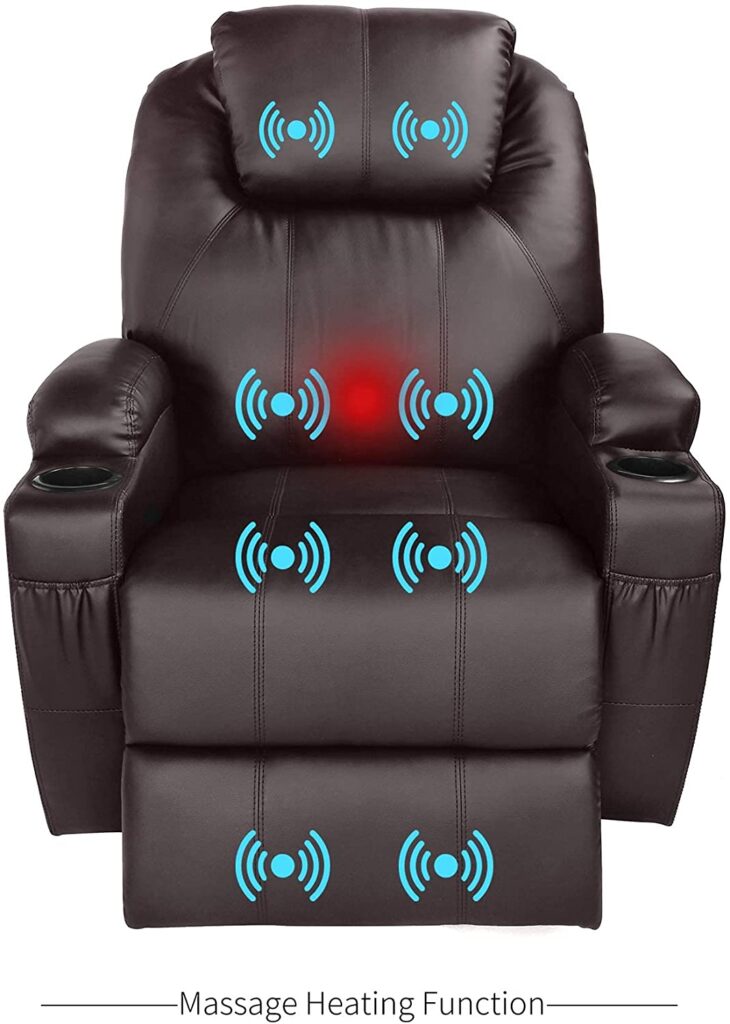
- Power Recliners: Powered by an electric motor, these models offer greater convenience but require additional care around electrical components.
- Leather Recliners: Leather provides a luxurious appearance but needs conditioning to prevent cracking.
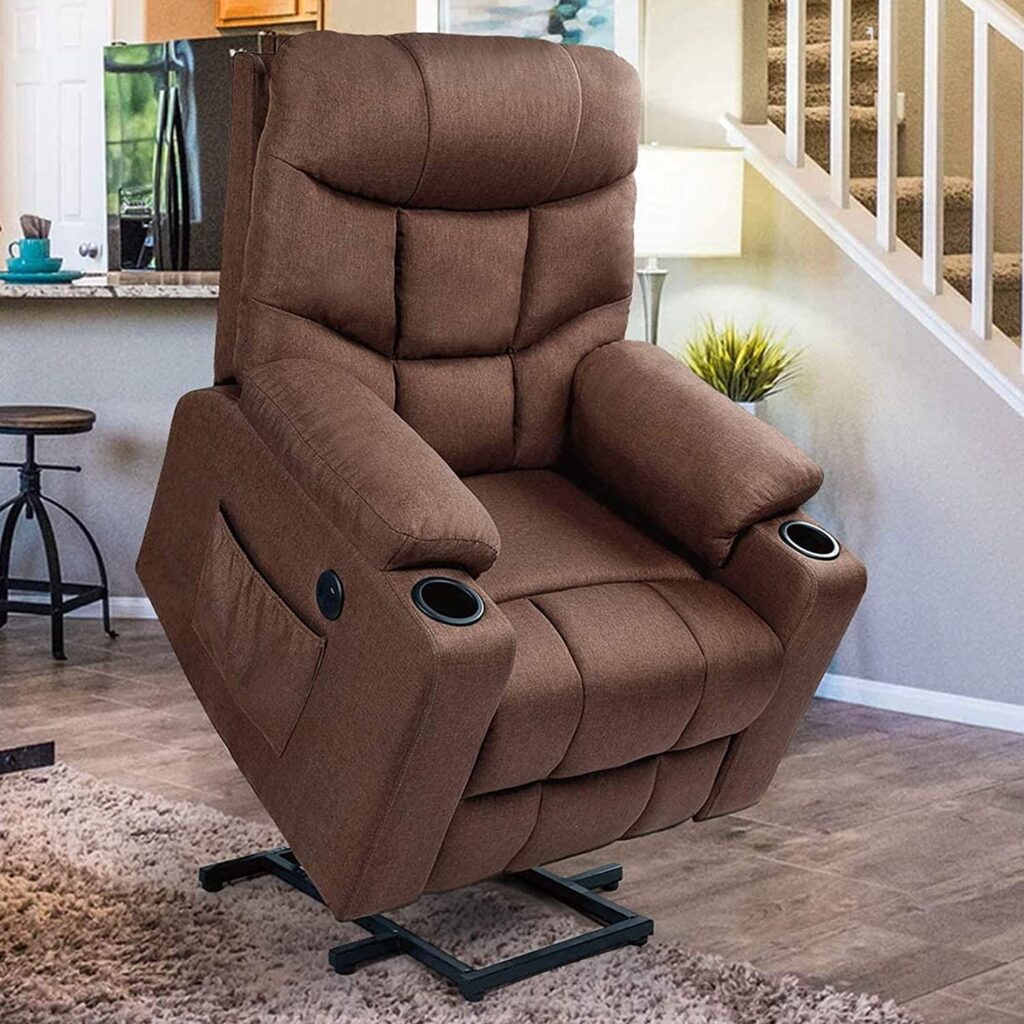
- Fabric Recliners: Fabric options are comfortable and breathable but can collect dust, stains, and pet hair more easily.
Essential Recliner Maintenance Tools
You don’t need an expensive toolkit. Keep these items handy:
- Microfiber cloths
- Soft vacuum brush attachment
- Mild dish soap
- Warm water
- Leather conditioner (for leather chairs)
- Fabric upholstery cleaner
- Silicone-based lubricant
- Small screwdriver
- Adjustable wrench
- Soft-bristle brush
- Cotton swabs
- Flashlight
Daily Maintenance Tips
Daily care takes only a few minutes but prevents long-term damage.
- Remove Dust: Wipe exposed surfaces with a dry microfiber cloth.Dust may seem harmless, but it slowly wears down upholstery fibers over time.
- Keep Food Away: Crumbs often fall into the reclining mechanism. Besides attracting insects, food particles can interfere with moving parts.
- Avoid Jumping on the Recliner: Children sometimes treat recliners like playground equipment. This places unnecessary stress on the frame and reclining mechanism.
- Return It to the Closed Position: Leaving the recliner fully extended for long periods places extra pressure on the mechanism. Whenever possible, return it to its normal position after use.
Weekly Cleaning Routine
A weekly cleaning schedule keeps dirt from building up.
- Vacuum Thoroughly: Use a vacuum cleaner with a soft upholstery attachment. Pay special attention to Armrests, Seat cushions, Between cushions, Footrest and Underneath the chair. Hidden dust often collects beneath the recliner.
- Spot Clean Stains Immediately: Fresh stains are much easier to remove than dried ones. Blot spills instead of rubbing them. Rubbing pushes stains deeper into the fabric.
- C lean Hard-to-Reach Areas: Use a soft brush or compressed air to remove dirt from corners and moving joints. These areas are commonly overlooked.
Monthly Recliner Maintenance Checklist
Once every month, perform a more detailed inspection.
- Check Loose Screws: Moving parts naturally loosen over time. Inspect and tighten Bolts, Nuts, Screws and Handles. Avoid overtightening.
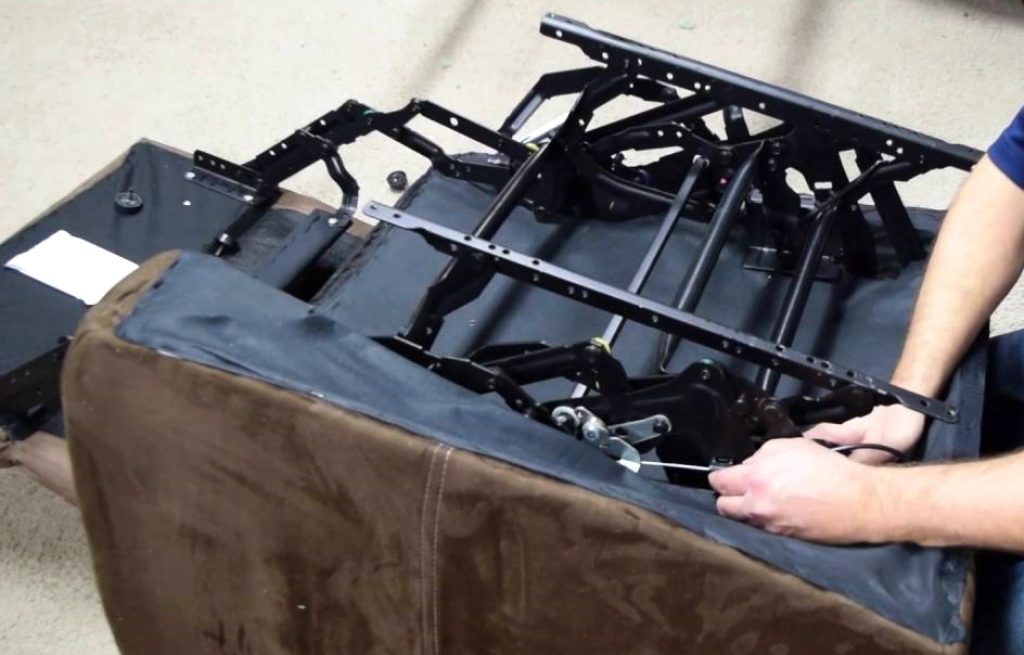
- Inspect Moving Parts: Operate the recliner several times. Listen for Grinding noises, Squeaks, Clicking sounds and Jerky movement. Early detection prevents larger problems.
- Lubricate Metal Parts: Apply a silicone lubricant to Hinge, Pivot points, Springs and Sliding joints. Avoid oil-based products that attract dust. Always wipe away excess lubricant.
- Check Electrical Components: For power recliners Inspect the power cord, Ensure plugs fit securely, Look for damaged wiring and Confirm the motor operates smoothly. If electrical damage is visible, stop using the recliner until it has been repaired.
How to Care for Leather Recliners
Leather recliners are a stylish and durable addition to any home, but they require regular care to maintain their softness, natural beauty, and longevity. Unlike fabric upholstery, leather can dry out over time if it isn’t properly maintained, which may lead to fading, stiffness, or even cracking.
One of the easiest ways to keep your leather recliner in excellent condition is to dust it every week using a clean, dry microfiber cloth. Dust and tiny particles may seem harmless, but they can gradually scratch the leather’s surface as people sit and move around in the chair.
Be sure to wipe the headrest, armrests, seat cushion, footrest, and around the seams where dust often collects. Avoid using rough materials such as paper towels, stiff brushes, or abrasive sponges, as these can damage the protective finish on the leather.
In addition to regular dusting, your leather recliner should be cleaned gently whenever it begins to accumulate dirt, fingerprints, or body oils. Prepare a simple cleaning solution by mixing a few drops of mild dish soap with warm water. Dip a soft microfiber cloth into the solution, then wring it out thoroughly so it is only slightly damp rather than soaking wet.
Gently wipe the leather using smooth, circular motions without scrubbing, paying extra attention to areas that come into frequent contact with your hands and head. Once you’ve finished cleaning, immediately dry the surface with a separate clean, dry microfiber cloth.
Leather naturally absorbs moisture, so allowing water to remain on the surface for too long can cause water spots, encourage mold growth in humid conditions, or weaken the material over time. Never leave water sitting on leather, and avoid using hair dryers or placing the recliner in direct sunlight to speed up the drying process, as excessive heat can dry out the leather and cause it to crack.
To keep the leather soft and supple, it’s also important to apply a quality leather conditioner every six months or as recommended by the manufacturer. Conditioning replenishes the natural oils that leather gradually loses with everyday use, helping to prevent cracking while restoring its flexibility and rich appearance.
Finally, protect your leather recliner by keeping it away from direct sunlight, fireplaces, radiators, and heating vents, as prolonged exposure to heat and ultraviolet (UV) rays can cause fading and dryness. If spills occur, blot them immediately with a clean, dry cloth instead of rubbing them, which can spread the liquid and push it deeper into the leather.
How to Care for Fabric Recliners
Fabric recliners require slightly different care.
1. Vacuum Frequently
One of the easiest and most effective ways to maintain a fabric recliner is to vacuum it regularly. Dust, pet hair, food crumbs, and other small particles can settle deep into the fabric fibers, where they gradually cause the upholstery to look dull and wear out more quickly.
Using a vacuum cleaner with a soft brush attachment at least once a week helps remove this hidden dirt before it becomes embedded in the fabric. Be sure to vacuum the seat cushions, armrests, backrest, footrest, and the spaces between cushions where debris often collects. Regular vacuuming not only keeps your recliner looking fresh but also helps improve indoor air quality by reducing dust and allergens in your home.
2. Treat Stains Quickly
Accidents happen, whether it’s a spilled cup of coffee, juice, or food. The key to preventing permanent stains is to act as quickly as possible. As soon as a spill occurs, gently blot the affected area with a clean, dry cloth or paper towel to absorb as much liquid as possible. Avoid rubbing the stain, as this can spread it further and push it deeper into the fabric fibers, making it much harder to remove.
Before using any upholstery cleaner, always test it on a small, hidden section of the recliner to ensure it doesn’t cause discoloration or damage. It’s also important to follow the cleaning instructions provided on the upholstery care label and avoid using harsh chemicals, bleach, or strong detergents unless the manufacturer specifically recommends them. Using the right cleaning method helps preserve both the appearance and durability of your recliner.
3. Use a Fabric Protector
Applying a fabric protector is an excellent way to give your recliner an extra layer of defense against everyday spills and stains. Upholstery-safe fabric protectors create an invisible barrier that helps prevent liquids from soaking into the fabric immediately, giving you more time to clean up accidents before they become permanent stains.
This is especially useful in homes with children, pets, or frequent visitors. When applying a fabric protector, carefully read and follow the manufacturer’s instructions to ensure the best results. Apply the product evenly in a well-ventilated area and allow the recliner to dry completely before sitting on it. Reapplying the protector periodically, as recommended by the product manufacturer, can help maintain its effectiveness over time.
4. Reduce Sun Exposure
Although fabric upholstery is designed to be durable, prolonged exposure to direct sunlight can cause its colors to fade over time. Ultraviolet (UV) rays gradually break down the fabric’s dyes, leaving once-vibrant colors looking dull and uneven. To help preserve your recliner’s original appearance, position it away from windows that receive strong sunlight throughout the day whenever possible.
If moving the chair isn’t practical, consider using curtains, blinds, or UV-filtering window films to reduce the amount of sunlight entering the room during the brightest hours. Protecting your fabric recliner from excessive sun exposure not only helps maintain its color but also extends the life of the upholstery by reducing unnecessary wear caused by heat and UV rays.
Common Recliner Problems and Simple Solutions
Even with regular maintenance, your recliner may occasionally develop minor issues due to everyday use. The good news is that many common problems can be identified and resolved without extensive repairs. The table below outlines some of the most frequent recliner problems, their likely causes, and practical solutions to help keep your chair operating smoothly.
| Problem | Possible Causes | Recommended Solution |
|---|---|---|
| Squeaking Noise | • Dry hinges• Loose bolts• Dust buildup in the mechanism | Tighten any loose bolts or screws, clean the reclining mechanism to remove dirt and debris, and apply a silicone-based lubricant to all moving metal parts to reduce friction and eliminate squeaking. |
| Recliner Won’t Close Properly | • Obstruction underneath the chair• Damaged springs• Bent reclining mechanism | Inspect underneath the recliner for trapped objects such as toys, debris, or loose fabric. If the mechanism appears bent or the springs are damaged, discontinue use and contact a qualified repair technician. |
| Footrest Sticks or Is Difficult to Operate | • Dirt accumulation• Lack of lubrication• Misaligned components | Thoroughly clean the reclining mechanism to remove dust and debris, then lubricate all moving joints with a silicone-based lubricant. If the problem continues, inspect the mechanism for misaligned or damaged parts. |
| Fabric Looks Dull or Dirty | • Dust buildup• Embedded dirt• Everyday wear | Vacuum the upholstery thoroughly using a soft brush attachment and clean it with an upholstery-safe cleaner recommended for your fabric type. Regular cleaning often restores the recliner’s original appearance and freshness. |
| Leather Feels Dry or Stiff | • Loss of natural oils• Exposure to heat or sunlight• Lack of conditioning | Apply a high-quality leather conditioner every six months, or as recommended by the manufacturer, to restore moisture, improve flexibility, and help prevent cracking. Keep the recliner away from prolonged direct sunlight and heat sources. |
| Power Recliner Doesn’t Move | • Chair not plugged in• Faulty electrical outlet• Damaged power cord• Overheated or faulty motor | Check that the recliner is securely plugged into a working electrical outlet. Inspect the power cord for visible damage and allow the motor to cool if it has overheated. If the recliner still doesn’t operate after basic troubleshooting, consult the manufacturer’s service instructions or contact a qualified technician for diagnosis and repair. |
Regular inspections and prompt attention to minor issues can help prevent costly repairs and extend the lifespan of your recliner. Addressing small problems early often keeps your recliner operating safely, smoothly, and comfortably for years to come.
Frequently Asked Questions
1. How often should I clean my recliner?
Light cleaning once a week and a deeper cleaning every three to six months is a practical routine for most households. Homes with pets or young children may benefit from more frequent cleaning.
2. Can I use household cleaners on my recliner?
Not always. Always check the manufacturer’s care instructions and choose products appropriate for the upholstery material.
3. What lubricant works best?
A silicone-based lubricant is generally recommended for most metal reclining mechanisms because it reduces friction without attracting as much dust as many oil-based products.
4. Why does my recliner squeak?
The most common causes are dry hinges, loose bolts, or accumulated dust around moving parts. Routine maintenance usually resolves the issue.
5. How long should a recliner last?
A well-made recliner that receives regular maintenance can often provide many years of reliable use. Actual lifespan depends on build quality, frequency of use, user weight, and ongoing care.
6. Should I repair or replace an old recliner?
Minor issues such as loose screws, worn upholstery, or squeaking mechanisms are often repairable. However, if the frame is severely damaged or repair costs approach the price of a replacement, purchasing a new recliner may be the more economical choice.

Seathaven’s editorial team is led by Charles Eboh, a former freelance writer and educator with experience in fitness, lifestyle, and consumer-focused content.

![Choosing The Best Recliners for Sleeping in 2026 [Buying Guide & Review]](https://seathaven.com/wp-content/uploads/2023/01/20230119_151921_0000-1024x536.png)